November 8, 2026
Finding a Forever Home Through French Bulldog Rescue
By @myfrenchbulldogadoptiondesk
Understanding the Journey to a New Companion
Bringing a dog into your home is a decision that carries weight, and for those drawn to the charm of a Frenchie, the path to finding one can take different routes. While many think first of breeders, there is another path that offers a different kind of reward: offering a home to a dog who needs one. This article walks through the practical steps, the realities, and the considerations involved when you look into giving a rescued French Bulldog a permanent place in your life.
Why a Rescue Dog Might Be Right for You
French Bulldogs are a breed with a distinct set of needs. Their flat faces make them prone to breathing issues, their skin requires regular care, and their spines can be delicate. A rescue organization understands these breed-specific challenges better than most. When you adopt through a reputable rescue, you are not just getting a dog; you are getting a dog that has been assessed, vetted, and often placed in a foster home where its personality and habits have been observed. This means you know what you are taking on, which is a significant advantage over an unknown puppy from a casual source.
There is also the simple truth that many surrendered French Bulldogs are already past the demanding puppy stage. They may be house-trained, familiar with basic commands, and past the chewing phase. For someone with a busy schedule or a quieter household, an adult or senior Frenchie can be a perfect fit. The bond formed with a dog that has known hardship can be deep and mutually rewarding.
How the Adoption Process Typically Works
Every rescue operates a little differently, but most follow a similar pattern designed to ensure a good match. It starts with an application. Expect to provide details about your living situation, your daily routine, your experience with dogs, and your plans for care. The rescue is not being nosy; they are trying to prevent another failed placement.
After the application comes a conversation, often by phone or video call. This is a chance for the rescue to learn about you and for you to ask questions. They will want to know about your home environment: do you have a fenced yard, are there stairs the dog will need to manage, do you have other pets, and what is the noise level like? French Bulldogs are sensitive to heat and can overheat easily, so a home with air conditioning and a safe, shaded outdoor area is a plus.

Most rescues require a home visit. This is not an inspection of your dusting skills; it is a check for safety. They will look for hazards like open pools, toxic plants, gaps in fencing, and areas where a small, curious dog could get into trouble. The home visit is also a chance for the rescue volunteer to see how you interact with the dog and to offer advice on making your home more comfortable for a Frenchie.
If everything goes well, the next step is a meet-and-greet. This might be at a neutral location like a park or at the foster home. The goal is to see how you and the dog connect. If you have other dogs, the rescue will usually want them to meet as well, to check for compatibility. This stage is not about instant chemistry; some dogs are shy at first and need time to warm up. Patience here is key.
Once a match is made, the rescue will finalize the adoption. There is typically an adoption fee that covers the cost of veterinary care the dog has received, including spay or neuter surgery, vaccinations, microchipping, and any treatment for existing health issues. This fee is a fraction of what you would pay a breeder, and it directly supports the rescue's work with other dogs.
What to Expect After Bringing Your Dog Home
The first few weeks are a transition period. Your new dog may be anxious, withdrawn, or even a little confused. This is normal. Give them space, stick to a routine, and let them explore their new environment at their own pace. Many rescues offer a trial period, often two weeks, to make sure the placement is working. If serious issues arise, a good rescue will take the dog back and help you find a different match.
French Bulldogs are companion dogs. They want to be near you, on the couch, in the kitchen, or curled up on your lap. They are not typically high-energy dogs, but they do need moderate exercise to stay healthy. Short walks, play sessions, and mental stimulation through puzzle toys or training games will keep them content. Be mindful of the heat; summer walks should happen early in the morning or late in the evening.
Health care is an ongoing commitment. Because of their brachycephalic (flat-faced) structure, French Bulldogs are prone to respiratory issues, eye problems, skin allergies, and spinal conditions. Regular vet checkups, a high-quality diet, and keeping them at a healthy weight can prevent many common problems. Pet insurance is something many owners find worthwhile for this breed.

Navigating the French Bulldog Adoption Landscape
The term "French Bulldog adoption" can mean different things depending on where you look. Some organizations focus on local rescues within a single state, while others work across state lines. If you are in Texas, for example, you might find rescues that specifically serve that region, with foster homes spread across major cities. The benefit of a local or regional rescue is that they know the local veterinary network and can do home visits in person.
It is important to be cautious. Unfortunately, there are individuals who pose as rescues but are actually brokers or backyard breeders trying to offload dogs. A legitimate rescue will be transparent about their process, allow you to meet the dog before committing, and have a clear return policy. They will not pressure you into a quick decision. They will ask you hard questions and may turn you down if they do not think it is a good fit. That is a sign of a responsible organization.
Another consideration is the dog's history. Some surrendered French Bulldogs come from homes where they were loved but circumstances changed, such as a move, a divorce, or a financial hardship. Others may have been neglected or poorly socialized. The rescue should be honest about what they know of the dog's background. A dog with a traumatic past may need extra patience and training, but many of them blossom beautifully in a stable, loving home.
Foster Care as a Stepping Stone
Many rescues rely heavily on foster homes. A dog that goes into foster care is living in a real home environment, not a kennel. This gives the rescue a much clearer picture of the dog's personality, habits, and needs. Foster families can tell you if the dog is good with cats, if they have separation anxiety, if they are crate trained, and how they handle visitors. This information is gold for a potential adopter.
If you are not ready to adopt, fostering is a way to help without a permanent commitment. It also gives you a chance to see if a French Bulldog fits your lifestyle before you make the final decision. Many foster families end up adopting their foster dog, a scenario known as a "foster fail," but it is a happy kind of failure.
Making the Decision
Deciding to bring a rescued French Bulldog into your home is not a decision to make lightly. It requires time, money, patience, and a willingness to adapt to the needs of a dog that may come with some history. But for those who are prepared, the reward is a loyal companion who seems to understand that you gave them a second chance.
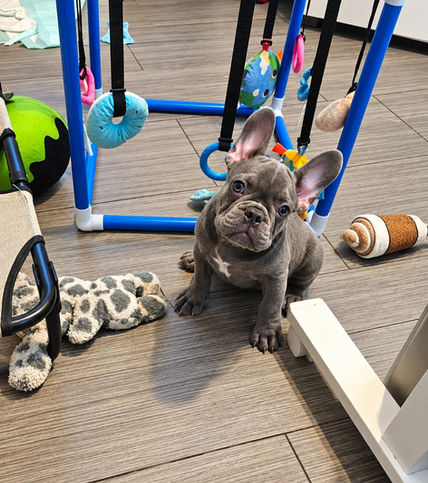
Before you apply, take a honest look at your daily life. Can you afford regular vet visits and potential emergency care? Do you have time for daily walks and play? Is your home set up to be safe for a small, flat-faced dog? Are you prepared for the possibility of health issues that come with the breed? If the answer to these questions is yes, then you are ready to begin the process.
Start by researching rescues in your area or in a region you are willing to travel to. Read their websites, look at their available dogs, and note their application requirements. Reach out with questions. The right rescue will welcome your interest and guide you through every step. The goal is not just to find any dog, but to find the right dog for you and to give that dog the permanent home they deserve.
❧